
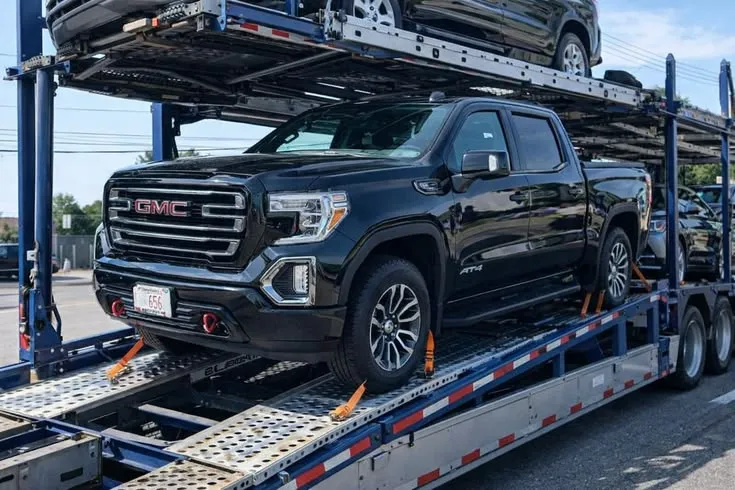
Car shipping prices can vary significantly depending on the vehicle, transportation distance, pickup location, and delivery requirements. Whether you are moving across a few states or transporting a car across the country, understanding the factors that influence pricing can help you plan your budget.
Here are seven important factors that affect the cost of auto transportation.
1. Shipping Distance
Distance is one of the primary factors affecting vehicle transportation costs. Longer routes generally require more fuel, driver hours, and transportation resources.
However, longer shipments may have a lower average cost per mile than shorter trips.
2. Vehicle Size and Weight
The dimensions and weight of your vehicle can influence the final quote.
Compact sedans usually require less trailer space than large SUVs, pickup trucks, and oversized vehicles. Larger vehicles may also increase fuel consumption and carrier operating costs.
3. Transportation Method
Your selected shipping method can make a significant difference in pricing.
- Open transport is generally the more affordable option.
- Enclosed transport usually costs more but provides additional protection.
- Expedited shipping may involve higher costs because of priority scheduling.
Consider your vehicle’s value and transportation requirements when comparing these options.
4. Pickup and Delivery Locations
Major cities and popular transportation routes often provide more carrier availability.
Remote locations, rural roads, and areas with limited truck access may require additional arrangements, potentially increasing the overall transportation cost.
5. Seasonal Demand
Auto transport demand changes throughout the year. Summer relocations, winter travel, and other periods of increased vehicle movement can affect carrier availability and pricing.
Flexible shipping dates may provide more opportunities to compare available transportation options.
6. Vehicle Operating Condition
A vehicle that starts, runs, and moves normally is generally easier to load and unload.
Non-running vehicles may require specialized loading equipment, additional labor, and more planning, which can increase transportation costs.
Always disclose your vehicle’s operating condition when requesting a quote.
7. Pickup Scheduling and Delivery Requirements
Customers who require transportation within a limited timeframe may have fewer available carrier options.
Providing flexible pickup dates can sometimes make it easier to arrange a suitable shipment.
Tips for Managing Your Car Shipping Budget
Before choosing a transportation provider, consider these recommendations:
- Compare quotes from multiple providers.
- Provide accurate vehicle information.
- Ask about additional fees and charges.
- Compare open and enclosed transportation.
- Discuss pickup and delivery estimates.
- Review payment and cancellation policies.
Final Thoughts
Car shipping costs depend on several factors, including distance, vehicle dimensions, transport method, location, and scheduling requirements.
Understanding these elements can help you evaluate transportation estimates and choose an option that matches your budget.
RouteHold Auto Transport encourages customers to compare available options and understand their shipping arrangements before scheduling vehicle transportation.